Participating in a paid internship on Danish farms offers the chance to experience a country known for its high standard of living, while gaining valuable practical skills.
For students looking to strengthen their knowledge of modern agriculture, these internships can serve as a valuable stepping stone — offering firsthand experience with modern agricultural enterprises and European farming technologies.
Along the way, interns also gain insight into Danish culture, lifestyle, and traditions, alongside practical experience that can support agricultural development back home.
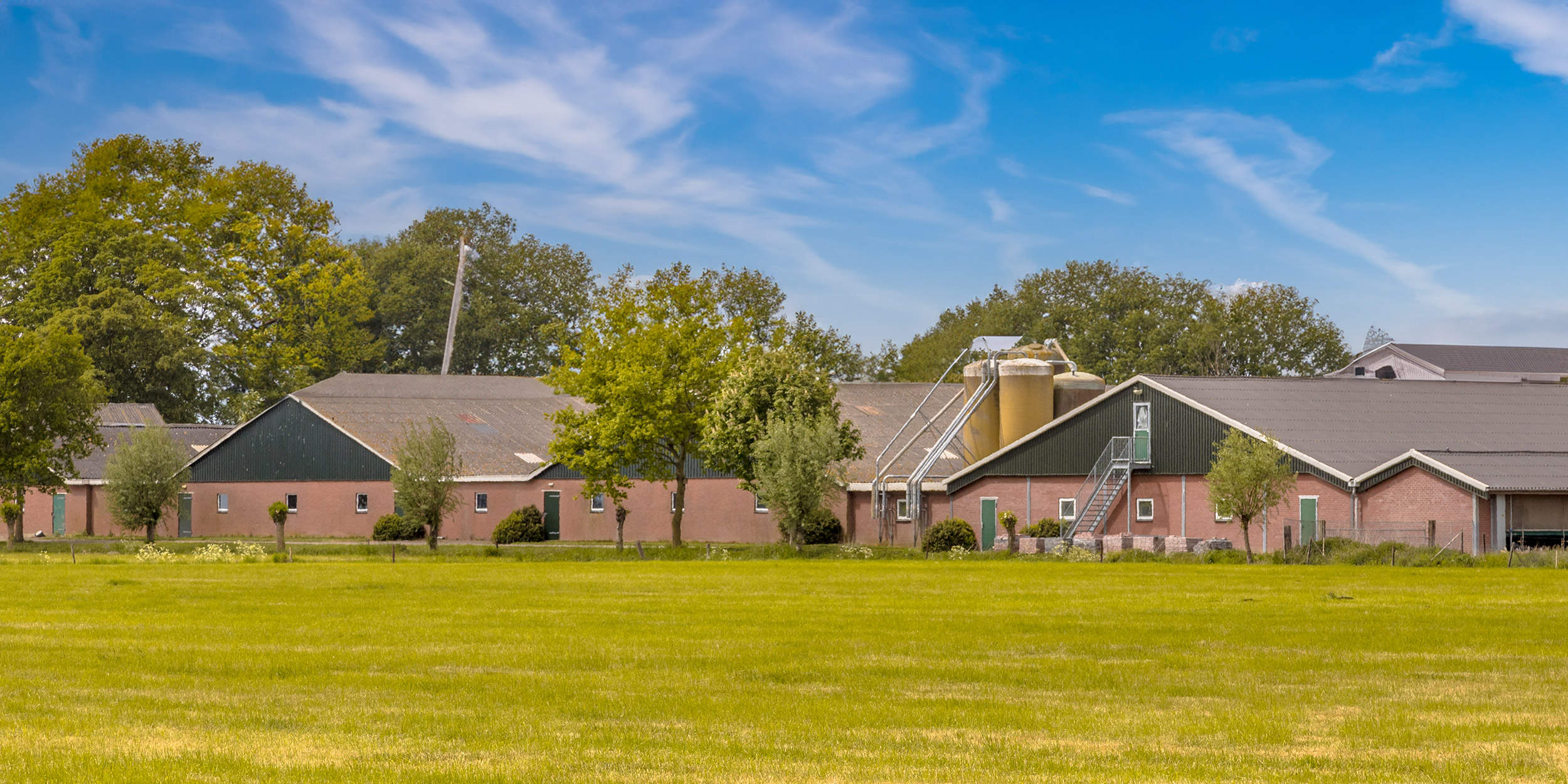
Internships are available across different types of farms. Many combine the cultivation of grains and industrial crops with animal husbandry. Interns working with livestock will focus on the care of animals such as cows and pigs, alongside occasional fieldwork using agricultural machinery.
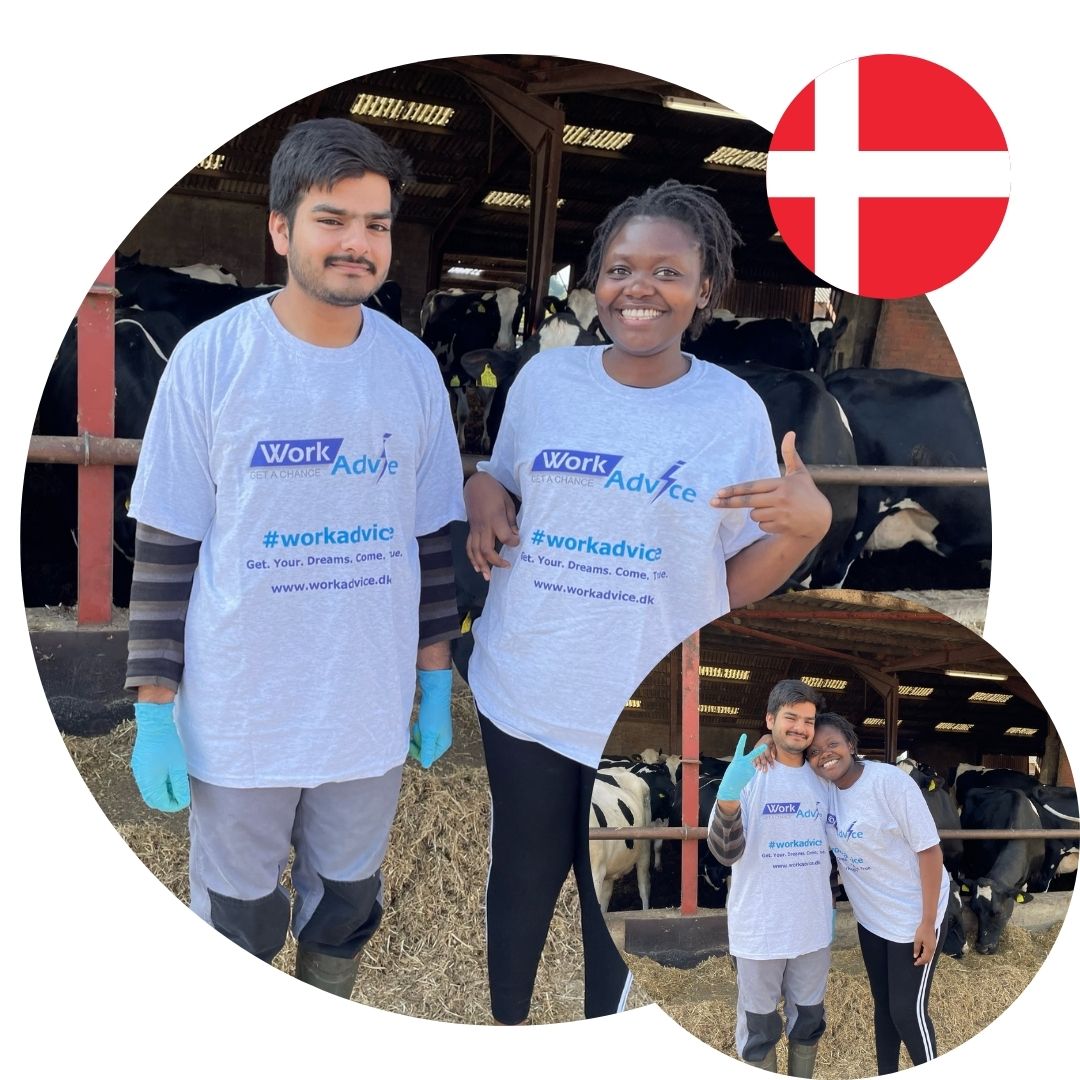
Interns will gain practical experience, guided by Danish labor regulations:
As part of the internship, the host farm provides accommodation. The rent is charged as a separate cost, it is never deducted directly from your wages, and the housing must meet Danish standards for safety, health, and habitability.
Accommodation typically includes a private room with the essentials for daily living. In most cases, this is a separate room or annex, often with internet access and access to a washing machine. Where the intern lives separately from the host family, they usually have their own small kitchen for preparing meals.
Exact housing costs vary by placement and are confirmed as part of your contract before you start.
When you arrive in Denmark, you'll be assigned a CPR number ("Det Centrale Personregister"). This unique ten-digit number (formatted as DDMMYY-XXXX, based on your birth date) is central to daily life in Denmark, it's used for everything from healthcare and taxation to banking and public libraries.
To activate your CPR number and its benefits, you'll need to register your address with the local municipality shortly after arrival. Once registered, you'll gain access to Denmark's public healthcare system and receive a health insurance card (the "yellow card" or sundhedskort), your proof of entitlement to healthcare services. It typically takes a couple of weeks to receive the physical card by post, though a digital version is also available via an app.
Bring your sundhedskort whenever you visit a doctor, hospital, or pharmacy in Denmark.
Denmark's agricultural sector is known for its focus on innovation, sustainability, and high standards. The dairy industry, characterized by sophisticated technologies and a cooperative framework, is known for producing high-quality products recognized internationally. Pig farming in Denmark prioritizes animal welfare, adhering to strict regulations and using efficient, automated systems for feeding and waste management. Greenhouses, equipped with advanced climate control and environmentally friendly practices, enable year-round cultivation of a variety of crops. Denmark's focus on innovation, sustainability, and efficiency has shaped a strong international reputation for agricultural practices.
*depends on which department of the pig farm you will be working in.
Please note: internships can only be undertaken once.
All prices are valid for 2026.
All documents must be translated into English.
A document proving prior experience in agriculture is not required.
While you are an intern in Denmark, you are automatically covered by an insurance through PensionDanmark, one of Denmark's biggest insurance and pension companies. Your host company pays for this insurance.
This insurance protects you if something serious happens during your internship.
If you get permanently disabled because of an accident or illness related to your training, you receive extra financial support.
If you get seriously ill during your internship, you receive a one-time payment to help with the costs.
If an intern dies during their internship, their family receives a payment.
You also get access to health treatments through PensionDanmark, such as chiropractic care, physiotherapy, massage, and zone therapy.
In short: this insurance is there to protect you and your family financially, if something serious happens while you are in Denmark.
Pension supplement
Starting January 1, 2027, interns are also entitled to a "pension supplement", a small extra amount added to your regular pay, corresponding to the pension contribution employers normally make for employees. Since interns don't build up a Danish pension in the usual way, this is paid out directly to you as cash alongside your monthly training allowance.
To start an internship in Denmark, you need to have a certificate in English (one of KET / IELTS / TOFEL) with a level no lower than Pre-Intermediate (A2 by international scale). It is easier and cheaper to pass KET (Key English Test).